

|
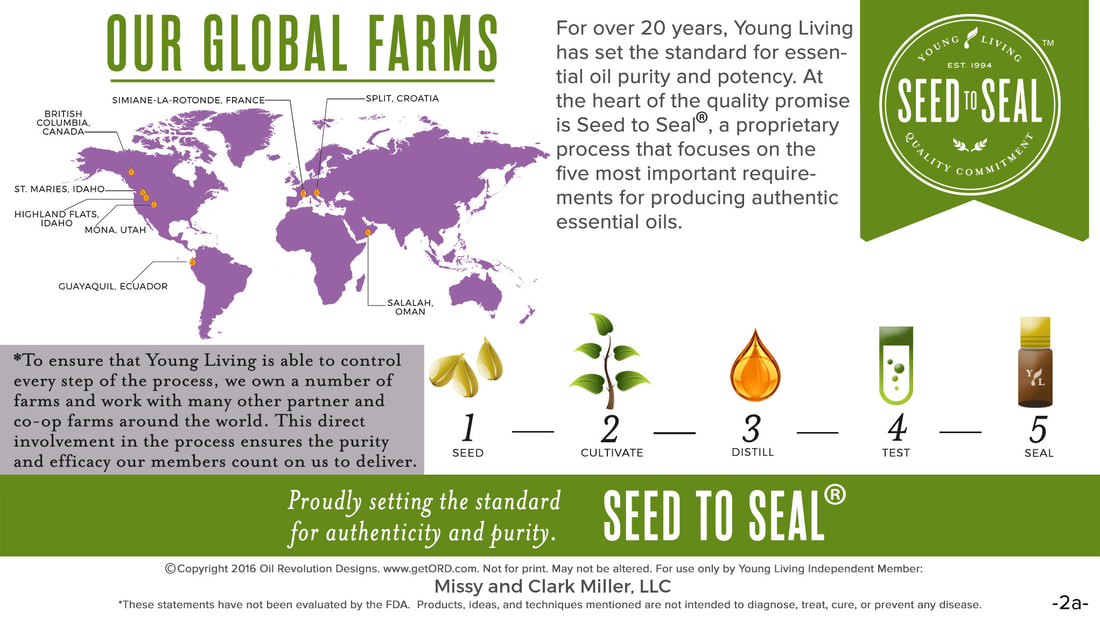
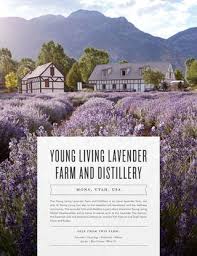
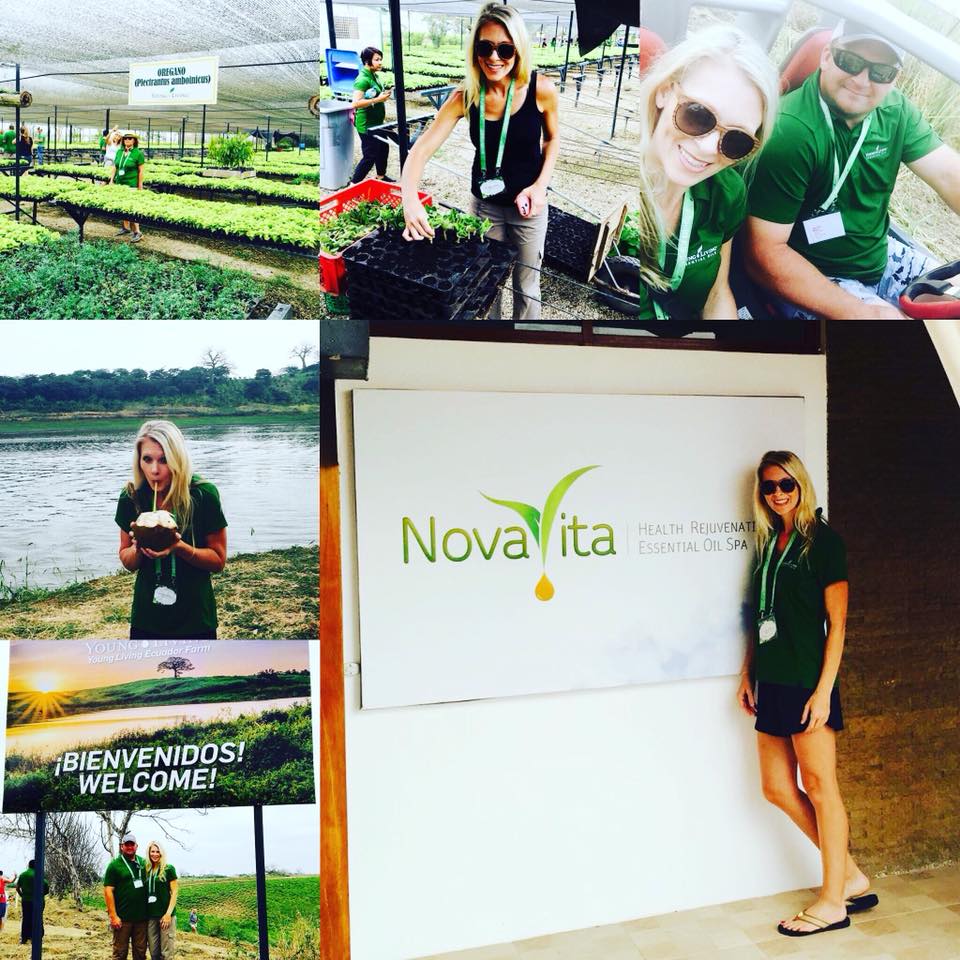
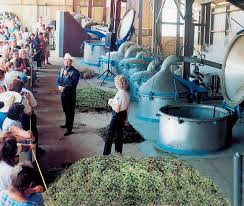
Why Young Living? So, you may now be wondering, what makes Young Living stand above all the rest? Young Living was founded in 1993, and is the largest, most trusted essential oil company in the world. Young Living has over 25+ years of research and experience, and is the only company that has the Seed to Seal® guarantee. So what is Seed to Seal? It is a promise that from the moment a seed is sourced, to the time that bottle is sealed, Young Living uses the highest standards possible to make their products, your life, and the earth better. They ensure that you are receiving essential oils exactly the way nature intended. Only one company can make the Seed to Seal® promise, and that is Young Living. Young Living is the world leader in producing and guaranteeing 100% pure, genuine therapeutic grade essential oils. Gary Young, the founder, has built 9 farms around the world, not including their partnered farms that also uphold the Young Living Seed to Seal standard. No other company has that. The farms are worldwide so the plants can grow in the climate they thrive in. Young Living also loves for their members to be a part of the farming process from seed plantings, all the way to the harvest and distillation process. Anyone is welcome to go at any time, interview any employee, ask any question, walk out in to their fields and watch the entire process, or more than likely, they will put you to work right alongside them. No secrets. Would you ever want to go see and be a part of the Seed to Seal experience at one of the farms? Young Living is the only company that does that. Another important thing that I do want to touch on, is what sets Young Living apart from all the other essential oil companies out there, and even the ones sold in stores. Here are a couple tips and red flags. Red flag number one… if an oil is truly 100% therapeutic grade, there should not be an expiration date on the bottle. Genuine, therapeutic grade essential oils should not expire. Think of them as a bottle of wine. If kept close, in a cool, dark place, their shelf life is indefinite. Red flag number two… pay attention to the fragrance of an oil. Does an oil smell delicate, rich, and organic? Do the aromas vary from batch to batch? When they do, it’s an indication that they are distilled in small batches rather than industrially processed on a large scale with chemical solvents and additives. Lavender oil should not have a hint of vanilla to it and Peppermint oil should not smell like a candy cane. Genuine, Therapeutic Grade essential oils should have a different aroma with each small batch. So, a Lavender bottle that you received a year ago, probably will not smell the same as a new bottle of Lavender. You want that! Everything in the plants surroundings changes its aroma, but not the therapeutic constituents. For instance, when the plants gets too much or too little water, sun, soil conditions, temperature, and even wind, it changes the aroma. Thus revealing its pure state. |
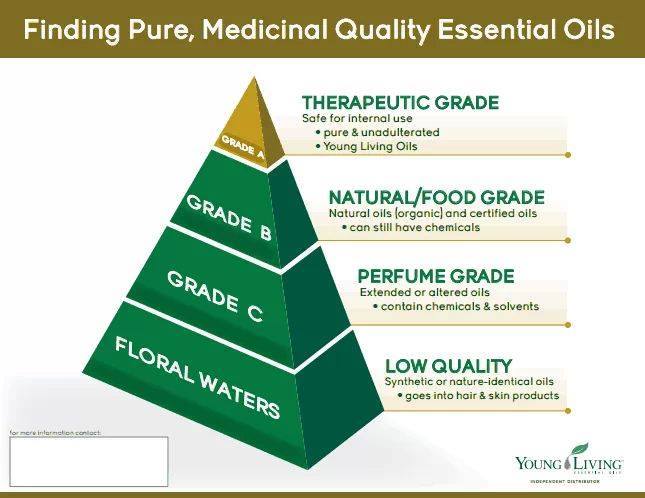
All oils fall into one of these four categories…
Grade A: are genuine therapeutic-grade, made from organically grown plants, distilled at proper temps.
Grade B: food grade, these may contain synthetics, pesticides, fertilizers, chemical extenders.
Grade C: are perfume oils, typically what you find on the shelves of a health food store. They usually contain solvents that companies use to get higher yields on the oils.
Grade D: is called floral water. After all the oil is pulled out, the leftover water or “trash water” is sold to companies who then fill 5% of the bottle with this water and the rest with carriers and label it pure or all natural or organic.
They are able to do this because in the United States there are no rating systems or labeling laws regarding essential oils. The closest we get is an FDA requirement that in order to label a bottle of essential oil “pure” or “therapeutic grade”, the contents must contain at least 5-10 percent essential oil. That means, the other 90-95% can be solvents, chemical extenders, carrier oils or who knows what else.
In the essential oil community you get what you pay for. Compare this to a hamburger on the dollar menu, to an organic, grass-fed Angus hamburger. Why do you think one is more expensive than the other? Quality, right? The same goes with all those other essential oils out there on the market.
Young Living completes 8 different tests on every batch of oil that is made. Nothing is compromised. The Young Living Seed to Seal goes beyond organic and purity. Wouldn’t you agree that that is very important? To go above and beyond. This is why it is so important to know where your oils come from.
Grade A: are genuine therapeutic-grade, made from organically grown plants, distilled at proper temps.
Grade B: food grade, these may contain synthetics, pesticides, fertilizers, chemical extenders.
Grade C: are perfume oils, typically what you find on the shelves of a health food store. They usually contain solvents that companies use to get higher yields on the oils.
Grade D: is called floral water. After all the oil is pulled out, the leftover water or “trash water” is sold to companies who then fill 5% of the bottle with this water and the rest with carriers and label it pure or all natural or organic.
They are able to do this because in the United States there are no rating systems or labeling laws regarding essential oils. The closest we get is an FDA requirement that in order to label a bottle of essential oil “pure” or “therapeutic grade”, the contents must contain at least 5-10 percent essential oil. That means, the other 90-95% can be solvents, chemical extenders, carrier oils or who knows what else.
In the essential oil community you get what you pay for. Compare this to a hamburger on the dollar menu, to an organic, grass-fed Angus hamburger. Why do you think one is more expensive than the other? Quality, right? The same goes with all those other essential oils out there on the market.
Young Living completes 8 different tests on every batch of oil that is made. Nothing is compromised. The Young Living Seed to Seal goes beyond organic and purity. Wouldn’t you agree that that is very important? To go above and beyond. This is why it is so important to know where your oils come from.